

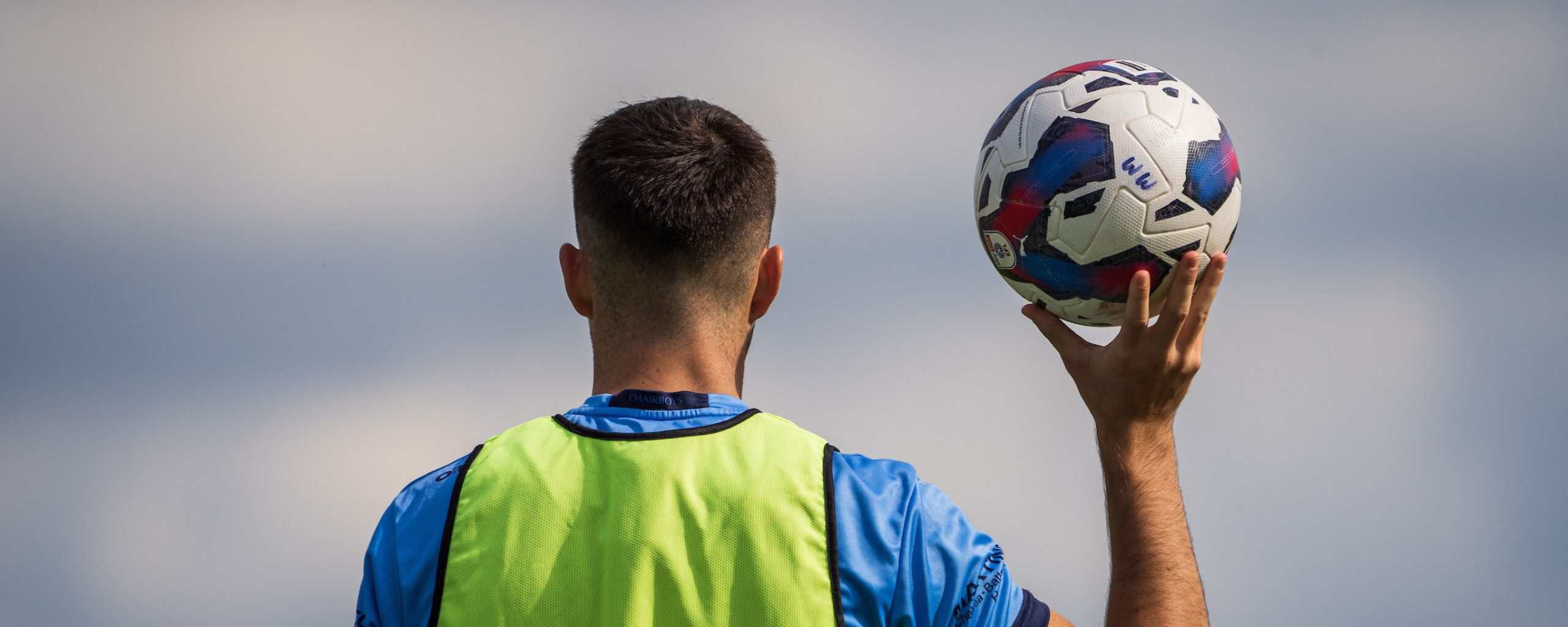
The beginning of the end of Jack Wakely’s football career came on a nondescript Bank Holiday Monday at Barnet’s Hive Stadium. The 23-year-old leapt to challenge for a header, collided with an opposition striker, fell awkwardly and felt something give way as he crashed to the turf.
Amid fears that he had broken a leg, the stricken defender was stretchered off and taken to hospital. The good news was that tests found no fracture. The bad news was that he had instead suffered serious cruciate ligament damage and would require surgery.
Unless there is no hope at all, professional footballers are rarely told they might never play again. Such a revelation can crush their morale and dash any prospect of recovery. Accordingly, Jack was not warned his chances of returning to full fitness were rated at less than 40%.
Despite being spared that grim statistic, he was unable to escape the reality of his situation. A year of gruelling rehabilitation was followed by a string of hamstring injuries, and in April 2025 – around 18 months after the fateful clash – he was forced to retire at the age of 25.
Jack had been in the game for just over a decade, spending the bulk of that time with Premier League club Chelsea before moving to League One’s Wycombe Wanderers. He was on loan at Ebbsfleet United, a National League side, when his world was turned upside down.
Yet Jack was in many ways fortunate. Thanks to good advice, foresight and a series of prudent financial decisions, he was able to move on from a blow that most players would likely have found disastrous. For him, crucially, physical pain did not translate into financial pain.
Jack is now an Associate Private Banker at Weatherbys Private Bank. He is a holder of the Investment Advice Diploma (IAD), the Certificate in Mortgage Advice and Practice (CeMAP) and the Level 6 Private Client Investment Advice and Management (PCIAM) qualification, for which he achieved the highest mark nationally in his cohort. His new goal: to help ensure his successors are equipped to deal with the twists and turns of a life both inside and outside professional sport.
The shock of sudden wealth
Everyone is aware that professional footballers are paid well. In tandem, many people assume they inhabit a world somehow removed from reality – a world in which they have so much money that they hardly know what to do with it.
Much of this is true. As Jack discovered as early as his mid-teens, young footballers often live strangely sheltered lives that do relatively little to prepare them for anything beyond complete immersion in the game. In many cases, even if a club provides suitable support mechanisms, the default response to accumulating wealth is to spend it.
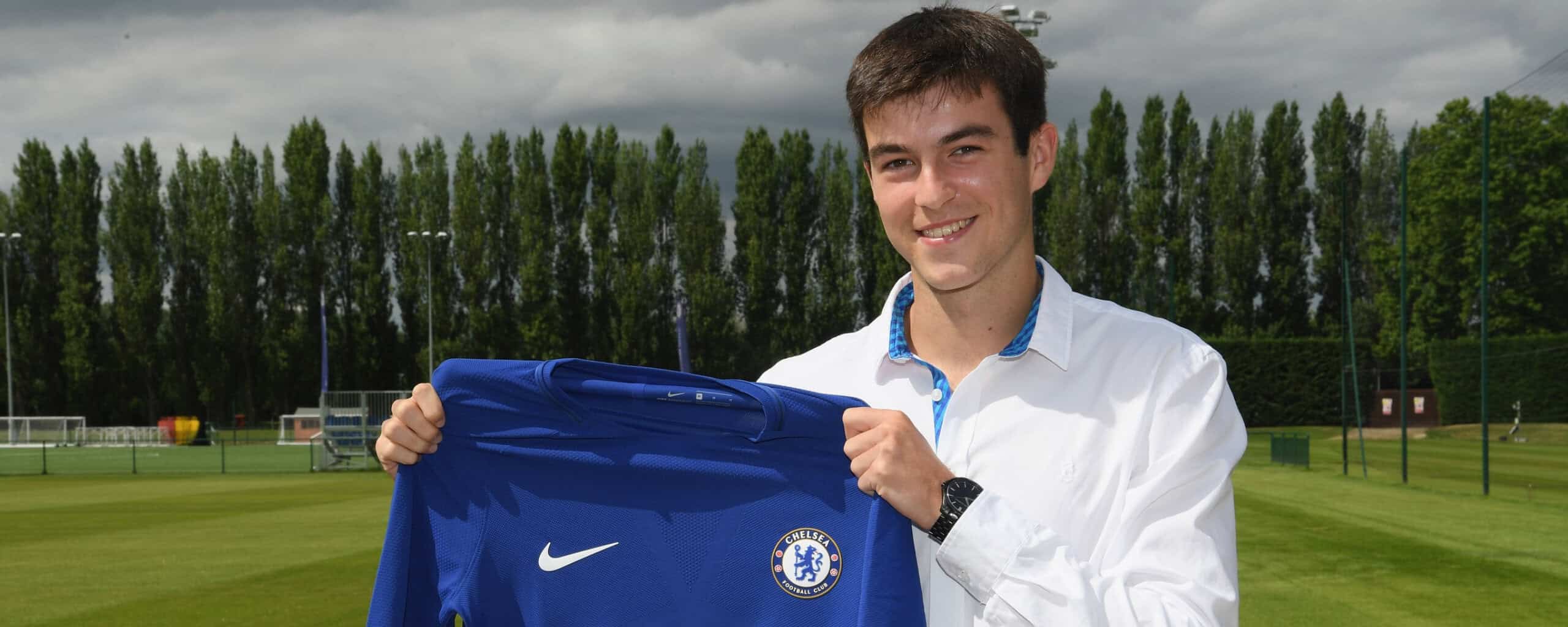
“I had my first trial with Chelsea when I was 10,” says Jack. “They sent a scout to watch me play for a local team, and they liked what they saw and took me on. I was released two years later, but I kept attending training and was eventually invited to join again. They liked my attitude, and by the time I was 14 I had basically left home and was under the club’s care.
“Some clubs have a sort of campus with onsite accommodation for their academy players, while others place them in local digs with what are essentially foster families – which is what happened to me. So it wasn’t exactly Premiership-style glamour from the get-go, but I did have everything paid for and pretty much everything done for me.
“The really dramatic change comes when you turn 17 and are able to sign your first professional contract. This tends to be the norm at big clubs now, largely because of fears that other top teams will poach the best players if they’re not signed up. The step up in pay can be tremendous, with some players catapulted straight into six-figure-salary territory.
“All of a sudden you’re grappling with unfamiliar issues like tax. You’re looking at a tax rate of 60% if you’re earning £100,000 a year. I remember several of my team-mates getting their first pay slips, heading straight to the club secretary and asking: ‘What the hell is this tax?’
“I was lucky in that respect, because my dad was pretty high up at John Lewis and fully versed in money matters. He encouraged me to salary-sacrifice some of my income into a pension and also gave me lots of other valuable guidance, including taking out proper insurance against career-ending injury. At the time I got stick from some of the lads for being boring, but we can now all appreciate I was safeguarding my future.”
Short-term fulfilment versus long-term prudence
Jack was not entirely immune to the temptations stemming from earning significant money at an early age. His first car was an Audi A3 Sport, which cost around £25,000 – quite extravagant by the standards of most teenagers.
Yet his indulgences paled next to those of many of his team-mates. Luxury SUVs were a common sight in the academy’s car-park. High-end watches and other expensive accessories quickly proliferated. Many young players simply could not – or would not – see beyond the immediate appeal of enormous disposable income.
“The clubs try to do their bit, and it’s vital to recognise that,” says Jack. “They help you to keep studying, for example. I fitted my GCSEs around training. Chelsea paid for one-to-one tuition when I said I wanted to do my A-levels, and they also paid for me to do a diploma in financial trading when it became clear that I was really interested in economics.
“I was also nominated for the Premier League’s Futures Programme, which aims to help players identify career opportunities once they leave the game. That led to a sessions at Barclays, where I met a banker who suggested I study for the CeMAP qualification.
“For most players, though, it’s still hard to rein yourself in when you’re used to earning about £160 a week on a scholarship and then almost instantly start receiving a professional footballer’s wage. If you’ve never been able to splash out before – and, just as importantly, if your family and friends have never been able to splash out before – the knee-jerk reaction is to spend, spend, spend.
“Obviously, that can be very exciting over the short term. It’s amazing for young guys to have so much money that almost anything they want feels within their grasp. But it’s a short-term outlook that assumes nothing can go wrong – which, as I know only too well, isn’t always the case.
“I used to ask my team-mates what they would do if football didn’t work out for them. Most didn’t have an answer. One said: ‘I’ll just go and be a delivery driver.’ By and large, they weren’t ready for life after the game. The fact is that most footballers accumulate plenty of skills that can translate well to other settings – teamwork, communication, focus, determination, mental resilience – but many just don’t think in those terms.”
Sound advice as a major difference-maker
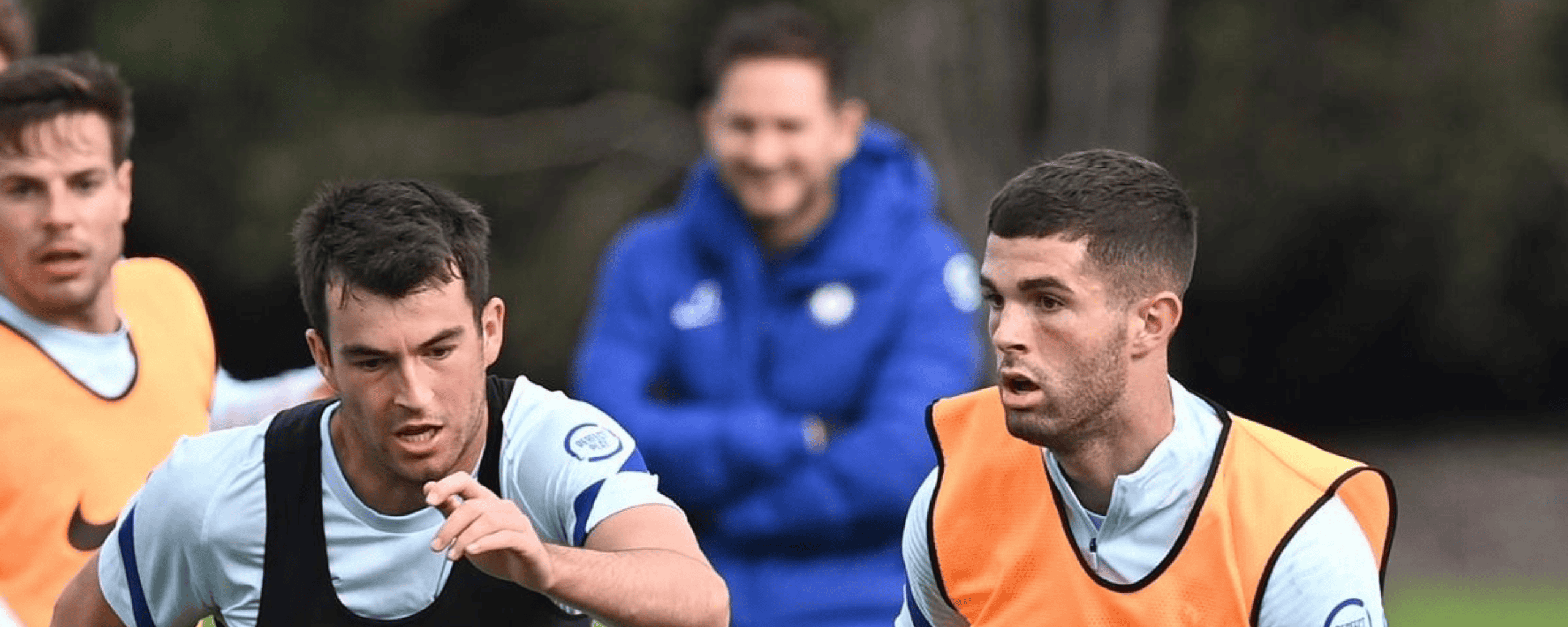
Jack never played for Chelsea’s first team. Like most academy players, he was unable to make the decisive leap to the top tier. Even so, he got to train under managers including Antonio Conte, Maurizio Sarri and Frank Lampard and alongside players such as Eden Hazard and Christian Pulisic.
He also got to meet his hero, iconic defender John Terry – although their first encounter was less than auspicious. “I was a ball boy in a match against Tottenham, and we were winning 1-0 in the 80th minute,” says Jack. “The ball went out of play, and I sprinted over to it and hurled it to JT so he could take a throw-in. He looked at me as if to say: ‘Why the hell are you chasing after the ball when we’re 1-0 up with 10 minutes to go? We need to run down the clock!’”
That was one valuable lesson learned. The other was that no young footballer – or, indeed, any professional athlete – should assume their career will unfold without ever taking an uncomfortable turn.
“My first major wake-up call came when I transferred to Wycombe Wanderers,” says Jack. “As you move down the leagues you discover your pay is much more tied to how many games you play. That means injuries and spells in the treatment room become more costly. That was when my dad pushed me to take out career-ending injury insurance, which is arguably the wisest move I’ve ever made.
“My payout after what happened that afternoon at Barnet gave me breathing space in establishing a new career path. The pension I started when a lot of the other lads were spending small fortunes on Mercedes SUVs has already gone a long way towards ensuring I can look forward to a decent retirement. Continuing with my studies opened some fantastic new doors for me. Oh, and I’m still driving my Audi A3!”
Jack is now passing on the wisdom that shaped his own journey. As if to complete a circle, he recently hosted some of the brightest prospects on Chelsea’s current roster. “I want to help the players who are lucky enough today to be in the position I was in a decade or so ago,” he says. “I want them to understand and learn how to overcome the challenges they’re facing now and the challenges they might face in the future.
“There’s a lot of talk about all sorts of issues in professional sport – mental health, loneliness, resilience and so on – but financial savvy is seldom high on the list. That’s a serious blind spot for individuals who might earn 80% of their lifetime income in the short period when they’re at or near the peak of their game. Ultimately, this is about seeing beyond short-term excitement and focusing on long-term outcomes and lasting security. As my own story proves, the right advice can make a huge difference – especially after the final whistle.”

Specialist banking for sports professionals
Whether you are establishing yourself in the game, navigating peak earning years or planning for life after sport, Weatherbys Private Bank provides specialist banking, lending, savings and wealth advice designed around the unique demands of a sporting career. Our experienced team understands the opportunities and challenges that come with fluctuating income, sponsorship arrangements and long-term financial planning, helping you make informed decisions with confidence.