

How will President Trump’s “One Big Beautiful Bill” affect the US economy?
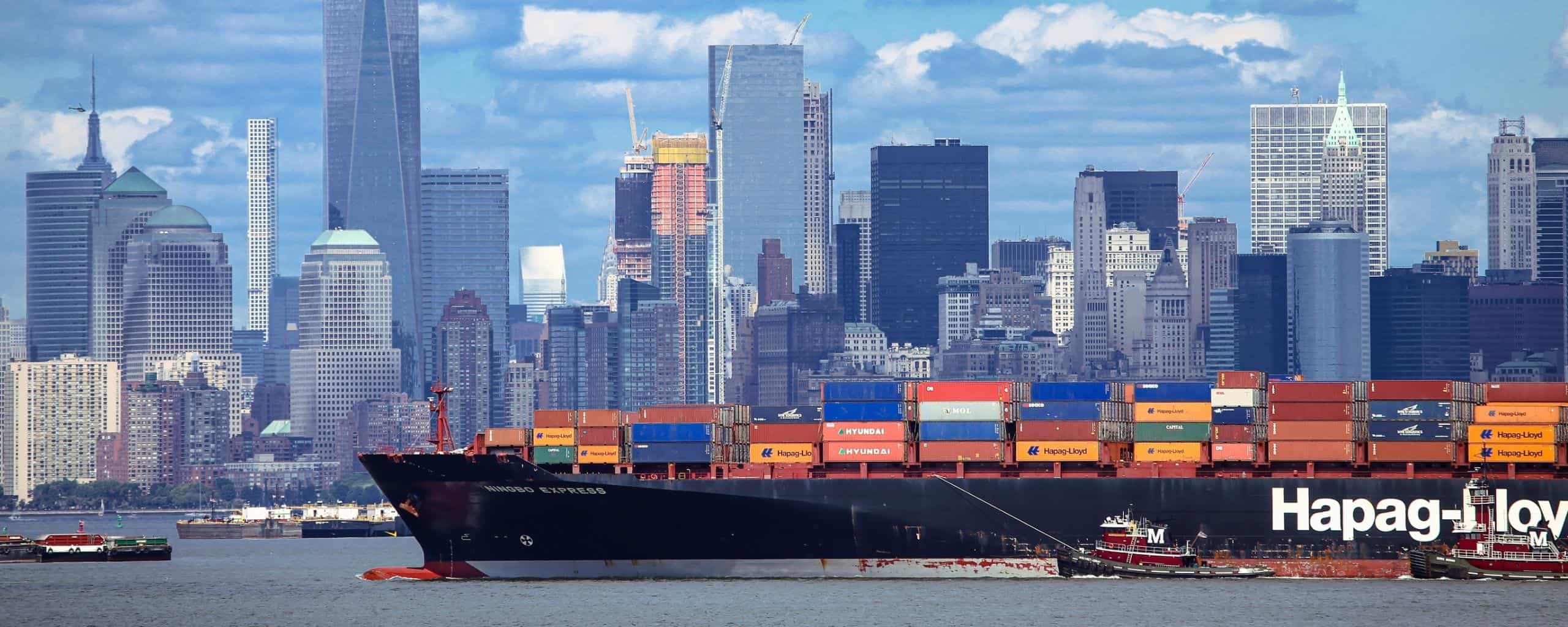
President Trump appears to be settling on a 10 per cent baseline tariff for most economies, with a few exceptions, such as China, which is coming out higher at 40 per cent. This will accrue significant revenue, but will also see inflation rise. Someone will have to pay higher prices, and it will ultimately be households. That’s the issue here – tariffs will weaken the US economy and raise inflation.
Overall, President Trump’s Bill is neither a fiscal stimulus nor a tightening. In other words, the Federal deficit is expected to remain around 6 per cent of GDP for the foreseeable future.
That is big and will cause a problem. The amount of Federal debt relative to GDP is expected to increase from around 100 per cent to about 120 per cent by the mid-2030s. This doesn’t necessarily mean there will be a financial crisis – the dollar remains the world’s reserve currency, and there is demand for US assets. However, at some point, someone will need to take control of the situation.
Do you think there’s still inflation in the pipeline?
Someone is going to have to swallow the tariffs. It will likely be a combination of businesses, perhaps by reducing profit margins, and households via higher prices, but this will take time. Some companies will have bought stock ahead of the changes, which means they can sell at pre-tariff prices. It will then be a question of when they start to run down those stocks.
Rather than being a significant one-off step change in inflation, I think prices increases will be more gradual. The upshot is that inflation will rise from about 2.5 per cent to 3.5 per cent by early next year. Most people expect the Federal Reserve to be in a position to cut interest rates a couple of times this year, but I don’t think that will happen if inflation rises.
How have markets reacted to the tariffs and Liberation Day?
We have experienced some significant volatility over the past three months, but equity prices have recovered from their falls and US Treasury bond yields are pretty much back to where they were. Yet the dollar remains weaker; it is 10 per cent lower than it was before the Liberation Day tariffs in early April. I wouldn’t be surprised if some of that was reversed. If the Federal Reserve doesn’t cut interest rates – like the markets are expecting – that will support the dollar.
More generally, markets are questioning whether the US economy will continue to be the world’s best-performing economy, and whether the dollar will remain the most important currency.
What is happening with the UK economy?
The comparison between the UK and the US is fascinating because our fiscal situation isn’t as bad as that of the US. The UK has a budget deficit of around 4 to 5 per cent of GDP, which is projected to decline to 1 or 2 per cent over the next few years. That means our debt ratio, which is similar to the US’s at about 100 per cent of GDP, will likely remain stable rather than spiral upwards.
However, our financial markets are far more sensitive to any signs of fiscal indiscipline. We saw this recently when rumours that Rachel Reeves might no longer be Chancellor spooked the gilt market and yields spiked.
The Chancellor is in a tricky position, as she will have to raise up to £24 billion in the next Budget to stay within her own fiscal rules. She can’t do this by cutting spending or raising borrowing, so taxes will have to rise. Businesses have already borne a significant brunt of tax increases, so I expect that households will take the burden this time.
Should we be concerned with the UK economic outlook?
The Government has done some good things and has some good ideas. It plans to boost public investment and is helping to support private investment; it also has ambitions for residential investment. One of our problems is a lack of investment. If the Government can get that going, it will help, not just over the next few years, but over a 10- to 20-year period. The problem is that the Government has failed to capitalise on the wave of optimism that followed the election.
Talk of a fiscal black hole and a painful Budget last October sapped all optimism and confidence out of the economy. And as a result of hiking National Insurance for employers, businesses are paring back on hiring, which has suppressed what could have been a good period for the UK. I expect the economy to grow by about 1 per cent this year, maybe 1.2 per cent next year. That’s not terrible, but it’s below what you’d typically expect.
What is your outlook for inflation?
I’ve become increasingly confident that we’ll break the back of inflation over the last six months or so, mainly due to how businesses have responded to the significant tax hikes. They’ve been reducing employment and they’re not going to be paying their existing or current employees hefty wage increases. So, wage growth will come down over the next year. If that happens, then inflation can come down from about 3.5 per cent to 2 per cent, which is where you want it to be. It might even go lower in 2027. A silver lining to the economy’s weakness is that it will help bring inflation down to where it should be.
What is your outlook for interest rates?
We have always thought the Bank of England would lower rates. They are at 4.25 per cent and we were forecasting a cut to 3.5 per cent. We now believe rates might go as low as 3 per cent sometime next year, based on inflation coming down.
Given the challenges, how optimistic are you about the state of the UK economy?
I’m optimistic, and more so than most. It’s not because I think the Government is going to be able to fire up the economy. It’s because businesses will be able to do it, in part by harnessing artificial intelligence (AI). All economies will benefit, but the UK is well placed here to get a chunky boost to economic growth from AI. It has a large service sector where I believe AI will make a significant difference. It’s got a flexible labour market and light regulations. Over a five- or 10-year view, the UK economy appears to be in good shape, and it compares favourably to other economies as well.
Important information
Capital Economics is an independent consultancy firm. Past performance is not a guide to future returns. Please note that the value of investments can go down as well as up, and you may get back less than you originally invested.